
Top family wall decor ideas to tell your story in 2026
Selecting family wall decor that tells your unique story can feel overwhelming when you want every piece to strengthen emotional bonds at home. Personalized wall decor increases emotional connection by 40% compared to generic art, making your choices truly matter. This article guides you through essential criteria for selecting meaningful decor, showcases top options that families love, and teaches arrangement strategies that maximize both aesthetic appeal and emotional impact in your living spaces.
Table of Contents
- Criteria For Selecting Meaningful Family Wall Decor
- Top Personalized Family Wall Decor Options To Consider
- How To Arrange And Size Your Family Wall Decor For Maximum Impact
- Comparing Family Wall Decor Styles: Traditional, Modern, And Hybrid
- Discover Personalized Family Wall Decor At FunLifeNow
- Frequently Asked Questions
Key takeaways
| Point | Details |
|---|---|
| Emotional connection boost | Personalized decor increases positive emotional responses by 40% compared to generic wall art |
| Optimal sizing matters | Art should cover 60-75% of wall space above furniture for proper visual balance |
| Storytelling creates legacy | Choosing pieces that reflect shared experiences builds lasting family narratives |
| Arrangement affects atmosphere | 70% of designers believe proper photo arrangement is crucial for welcoming home environments |
Criteria for selecting meaningful family wall decor
Emotional connection stands as the most important factor when choosing family wall decor. Personalized wall decor significantly enhances emotional connection and storytelling within a family, with research showing a 40% increase in positive emotional responses compared to generic alternatives. This dramatic difference means your decor choices directly influence how family members feel in shared spaces.
Choose pieces that reflect shared experiences and core family values rather than simply filling blank walls. The story each piece tells matters because it contributes to legacy building that spans generations. When selecting personalized family wall art, consider whether the imagery, text, or design elements capture moments that define your family’s journey together.
Size considerations play a crucial practical role in selection. Your art should be proportional to the wall space, typically covering 60-75% of the area above furniture for proper visual balance. Too small creates a disconnected look, while oversized pieces overwhelm the space and diminish emotional impact.
Arrangement affects both visual appeal and emotional tone in your home. Consider these essential factors:
- Wall space dimensions and furniture placement below
- Lighting conditions that highlight or obscure details
- Color palette coordination with existing room decor
- Frame styles that complement rather than compete
- Viewing distance from primary seating areas
Pro Tip: Measure your wall space before shopping and create paper templates at 60%, 67%, and 75% of that dimension to visualize different size options in your actual room.
Top personalized family wall decor options to consider
Custom family photo collages rank among the most popular choices for capturing milestones and memories in a single cohesive display. These arrangements let you showcase multiple moments from different life stages, creating a visual timeline that guests and family members can explore. The flexibility to update individual photos as your family grows makes collages particularly valuable.
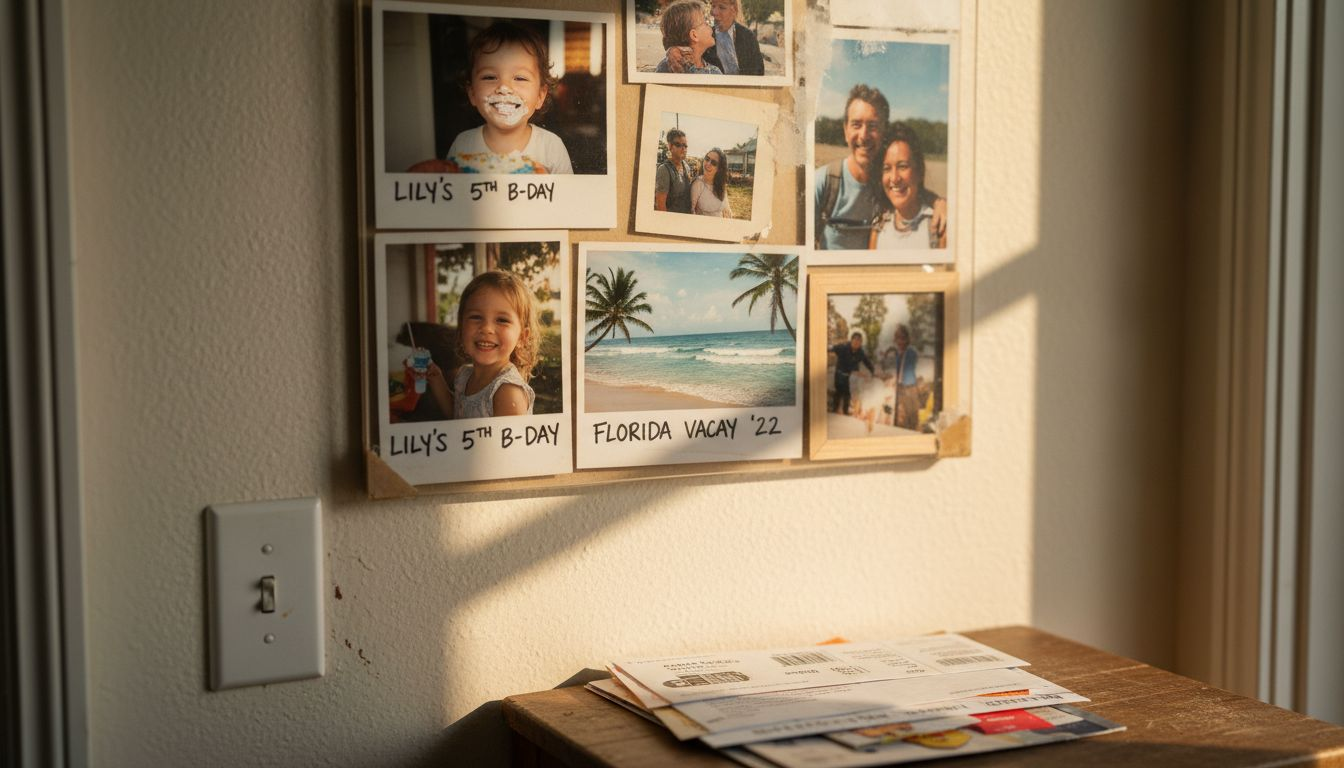
Handcrafted family name signs with meaningful fonts and styles offer timeless appeal that anchors your family identity on the wall. These pieces work beautifully in entryways, living rooms, or dining areas where they establish a welcoming presence. Families often underestimate storytelling power in decor, but pieces reflecting shared experiences create lasting legacy that resonates across generations.
Canvas prints featuring cherished moments or family quotes provide artistic interpretations of your memories. The texture and depth of canvas material adds sophistication while maintaining the personal touch of your selected imagery. Many families choose quotes that represent their values or inside jokes that hold special meaning.
Map based art marking key family histories or travels tells geographic stories that spark conversations. These pieces might highlight hometowns, wedding locations, vacation destinations, or places where significant family events occurred. The visual representation of your family’s journey across physical space creates powerful emotional connections.
Mixing traditional photos with modern art elements creates diverse storytelling opportunities. This approach lets you:
- Combine black and white heritage photos with contemporary color prints
- Integrate abstract representations of family themes alongside literal imagery
- Layer different artistic mediums for visual interest
- Create thematic groupings that explore specific family narratives
Explore more family sign wall decor ideas to discover styles that match your home’s aesthetic while telling your unique story.
How to arrange and size your family wall decor for maximum impact
Follow size guidelines carefully because art should be 60-75% of wall space above furniture to achieve proper visual weight. Measure the width of your furniture piece, then multiply by 0.60 and 0.75 to find your ideal range. A sofa measuring 84 inches wide needs art spanning 50 to 63 inches for balanced proportions.
Arrange walls with a focal centerpiece surrounded by complementary pieces that support rather than compete with the main element. 70% of interior designers believe arrangement of family photos is crucial for a welcoming atmosphere, making your layout decisions as important as the pieces themselves. Start by positioning your largest or most meaningful piece at eye level, typically 57 to 60 inches from the floor to the center of the artwork.
Use consistent spacing and alignment for balanced appearance across your gallery wall. Professional designers recommend:
- Maintain 2 to 3 inches between frames for cohesive groupings
- Align pieces along invisible horizontal or vertical lines
- Create symmetrical arrangements for formal spaces
- Use asymmetrical layouts for relaxed, contemporary feels
- Keep the overall arrangement shape contained within an imaginary rectangle or square
Incorporate varied frame styles thoughtfully to maintain harmony without monotony. Mixing metals, woods, and colors works when you establish a unifying element like consistent matting, similar frame widths, or a repeated finish across several pieces. Avoid combining more than three distinct frame styles in a single arrangement.
| Layout Style | Best For | Spacing | Visual Effect | | — | — | — | | Grid | Modern homes, multiple similar-sized photos | Equal spacing all directions | Clean, organized, contemporary | | Salon | Eclectic spaces, varied frame sizes | 2-3 inches between | Dynamic, collected over time feel | | Linear | Hallways, narrow walls | Aligned centers or tops | Streamlined, easy to follow | | Centered | Above furniture, focal walls | Radiates from center piece | Balanced, traditional elegance |
Avoid overcrowding to preserve emotional and visual impact in your display. Each piece needs breathing room to be appreciated individually while contributing to the collective story. When walls feel cluttered, viewers struggle to focus on any single element, diminishing the emotional resonance you worked to create.
Pro Tip: Create a floor layout first by arranging pieces on the ground in your desired configuration, then photograph it for reference when hanging to ensure accurate reproduction on the wall.
Learn more about displaying personalized wall art with expert techniques that enhance both beauty and meaning.
Comparing family wall decor styles: traditional, modern, and hybrid
Traditional style embraces classic frames, symmetrical layouts, and warm tones that create timeless elegance. This approach typically features wooden frames in rich finishes like cherry, walnut, or mahogany paired with cream or off white matting. Symmetrical arrangements above mantels or sofas establish formal balance that suits established homes with classic architecture. The storytelling here leans toward heritage and continuity across generations.
Modern style opts for minimalist frames, abstract elements, and neutral palettes that emphasize clean lines and contemporary aesthetics. Think thin black metal frames, frameless canvas wraps, or acrylic mounts that let imagery speak without ornate borders. These arrangements often use asymmetrical layouts with intentional negative space. The storytelling focuses on current moments and forward looking family narratives.
Hybrid style combines classic photos with modern art and colors to bridge traditional sentimentality with contemporary design sensibilities. You might pair vintage family portraits in ornate frames alongside sleek canvas prints of recent vacations, unified by a consistent color story or thoughtful spacing. This versatile approach works in transitional homes where multiple design influences coexist.
| Style Element | Traditional | Modern | Hybrid | | — | — | — | | Frame Materials | Wood, ornate details | Metal, acrylic, frameless | Mixed materials, curated | | Color Palette | Warm tones, sepia, gold | Black, white, gray, bold accent | Balanced warm and cool | | Layout Approach | Symmetrical, formal | Asymmetrical, minimalist | Flexible, intentional mix | | Best Room Fit | Formal living, dining | Open concept, contemporary | Versatile, most spaces | | Storytelling Focus | Heritage, tradition | Current moments, future | Complete family journey |
Pros and cons of each style help clarify which suits your family. Traditional decor creates instant warmth and formality but can feel dated in modern spaces. Modern arrangements offer fresh sophistication yet might feel cold without careful curation. Hybrid styles provide maximum flexibility but require more design skill to execute cohesively.
Which style suits different family personalities depends on how you live and what you value. Families who treasure history and formal gatherings gravitate toward traditional. Those embracing minimalism and contemporary living prefer modern. Families wanting to honor the past while celebrating the present find hybrid approaches most satisfying.
Optimal size and layout guidelines for family portraits help avoid decor that feels overpowering or too small, regardless of which style you choose. The key is maintaining proportional relationships between art, wall space, and furniture while staying true to your aesthetic preferences.
Discover how to choose personalized wall art that celebrates family with styles that match your unique personality and home environment.
Discover personalized family wall decor at FunLifeNow
Now that you understand how to choose and arrange family wall decor that tells your story, FunLifeNow offers the perfect selection to bring your vision to life. Their extensive collection features custom photo collages, handcrafted family name signs, canvas prints, and map based art that transforms your meaningful moments into beautiful home accents.
Every piece at FunLifeNow emphasizes American made quality and craftsmanship with personalization options for names, dates, themes, and heartfelt messages. Their intuitive customization process guides you through creating decor that reflects your family’s unique journey. Explore their blog for expert tips on personalized family wall art meaning and browse inspiring family sign wall decor ideas that help you make confident choices for your home.
Frequently asked questions
What is family wall decor?
Family wall decor encompasses personalized or meaningful wall art that reflects your family’s stories, bonds, and shared experiences. Typical items include custom photo collages, family name signs, canvas prints featuring cherished moments, map based art marking significant locations, and quote displays that capture family values. These pieces transform blank walls into storytelling spaces that strengthen emotional connections.
How do I choose the right size for my family portraits?
Your art should cover 60-75% of the available wall space above furniture for optimal visual balance. Measure your furniture width, multiply by 0.60 and 0.75 to find your ideal range, then select pieces within those dimensions. This proportion creates proper visual weight without overwhelming the space or appearing disconnected from surrounding elements.
Can I mix different styles of family wall decor?
Mixing traditional and modern styles is absolutely possible with thoughtful arrangement and unifying elements. Maintain consistency through color palette coordination, similar frame widths, or repeated finishes across several pieces. The key is establishing intentional connections between disparate styles rather than random combinations that create visual chaos.
Why is personalized wall art important for families?
Personalized art fosters stronger emotional bonds and enables meaningful storytelling within your home environment. Research shows a 40% increase in positive emotional responses when families display personalized decor versus generic alternatives. These pieces create lasting legacy that resonates across generations while making your house feel uniquely like home.