
How to customize blankets: expert tips for lasting gifts
Creating a personalized blanket should result in a cherished keepsake, yet many discover blurry images and faded colors after delivery. The emotional disappointment of receiving a poorly executed custom blanket can turn a meaningful gift into a frustrating experience. This guide delivers expert methods for material selection, customization techniques, design preparation, and care practices that ensure your personalized blankets become treasured gifts and home accents that last for years.
Table of Contents
- Introduction To Blanket Customization
- Prerequisites And Materials Selection
- Choosing Your Customization Method
- Step-By-Step Blanket Customization Process
- Common Mistakes And How To Avoid Them
- Expected Results, Care, And Longevity
- Conclusion And Next Steps
- Explore Custom Blanket Options At FunLifeNow
- Frequently Asked Questions
Key takeaways
| Point | Details |
|---|---|
| Material choice matters | Selecting fleece, wool, or microfiber directly impacts print quality, durability, and how well your design adheres to the fabric. |
| Customization methods vary | Sublimation printing, embroidery, and applique each offer distinct tradeoffs in cost, texture, longevity, and visual impact. |
| Process reduces errors | Following a structured workflow from design prep through proof review minimizes mistakes and delivers professional results. |
| Common pitfalls exist | Low-resolution images, incorrect color calibration, and material mismatches account for most customization failures. |
| Proper care extends life | Gentle washing and storage practices preserve print vibrancy and fabric integrity for 30+ washes. |
Introduction to blanket customization
Personalized blankets have evolved from simple monogrammed items into sophisticated storytelling pieces that capture relationships, milestones, and memories. These custom blanket gift ideas transform ordinary textiles into meaningful expressions for weddings, birthdays, anniversaries, and holidays. The emotional weight these blankets carry makes them increasingly popular for both personal gifts and unique home decor that reflects individual style.
Customization allows you to integrate names, dates, photos, quotes, and thematic designs that resonate with specific recipients or your own aesthetic preferences. A grandparent receives a blanket featuring grandchildren’s handprints. Newlyweds display their wedding photo woven into a throw. Parents commemorate their child’s first year with a milestone blanket. Each design choice adds layers of meaning that standard retail blankets cannot match.
The growing demand for personalized home accents reflects a broader consumer shift toward products that tell stories and forge emotional connections. Modern customization technology makes it possible to achieve professional quality results without sacrificing the craftsmanship and durability that define heirloom pieces. Understanding the fundamentals of materials, methods, and design preparation ensures your customized blanket exceeds expectations.
Quality customization requires more than uploading an image to a website. It demands knowledge of fabric properties, awareness of different personalization techniques, attention to design specifications, and commitment to proper care practices. This comprehensive approach separates disappointing outcomes from blankets that become cherished possessions passed down through generations.
Prerequisites and materials selection
Your blanket’s base material determines how well it accepts customization, how it feels against skin, and how long it maintains its appearance. Fleece, wool, and microfiber withstand 50+ washes while maintaining softness and print clarity, making them ideal foundations for personalized designs. Each material offers distinct advantages depending on your intended use and aesthetic goals.
Fleece stands as the most popular choice for custom blankets due to its exceptional softness, affordability, and compatibility with multiple personalization methods. Polyester fleece accepts sublimation printing beautifully, producing vibrant colors that resist fading through repeated washing. The material’s plush texture makes it comfortable for everyday use while its durability ensures designs remain intact through years of handling.
Wool provides superior warmth and a luxurious feel that elevates personalized blankets into premium gifts. Natural wool fibers create excellent insulation while remaining breathable, making these blankets functional across seasons. However, wool requires more delicate care than synthetic alternatives and typically costs more both for the base material and customization services. Embroidery works exceptionally well on wool, creating textured designs that complement the fabric’s natural elegance.
Microfiber offers remarkable durability and resistance to wear, pilling, and color fading. This synthetic material maintains its appearance even with frequent washing and daily use. Microfiber’s tight weave provides a smooth surface ideal for high-resolution printing, though its slicker texture may feel less cozy than fleece. This material works well for personalized blanket decor tips focused on visual impact rather than maximum softness.
Material comparison:
| Material | Best For | Durability | Print Quality | Care Level | Price Range |
|---|---|---|---|---|---|
| Fleece | Everyday comfort | High | Excellent | Easy | Low to Medium |
| Wool | Premium gifts | Very High | Good | Moderate | High |
| Microfiber | High-use areas | Very High | Excellent | Easy | Medium |
Not every material suits every personalization method. Sublimation printing requires polyester content to bond dyes properly, making it incompatible with 100% cotton or natural fibers. Embroidery works on most materials but may pucker thin fabrics or require stabilizing backings. Before finalizing your material choice, confirm compatibility with your preferred customization technique to avoid disappointment.
Pro Tip: Order fabric swatches before committing to large blanket orders. Seeing and touching materials in person reveals texture differences that photos cannot capture, ensuring the final product matches your expectations for both appearance and comfort.
Consider how you will use the blanket when selecting materials. A decorative throw for styling personalized throw blankets on a sofa prioritizes visual appeal and may benefit from microfiber’s smooth finish. A cozy blanket for cuddling on cold evenings demands the warmth and softness of fleece or wool. Matching material properties to intended use creates a final product that delivers both emotional meaning and practical function.
Choosing your customization method
Three primary techniques dominate blanket personalization, each offering distinct visual effects, durability characteristics, and cost considerations. Understanding these differences helps you select the method that best serves your design vision and budget constraints. The right choice depends on your design complexity, desired tactile qualities, and how you plan to use the finished blanket.
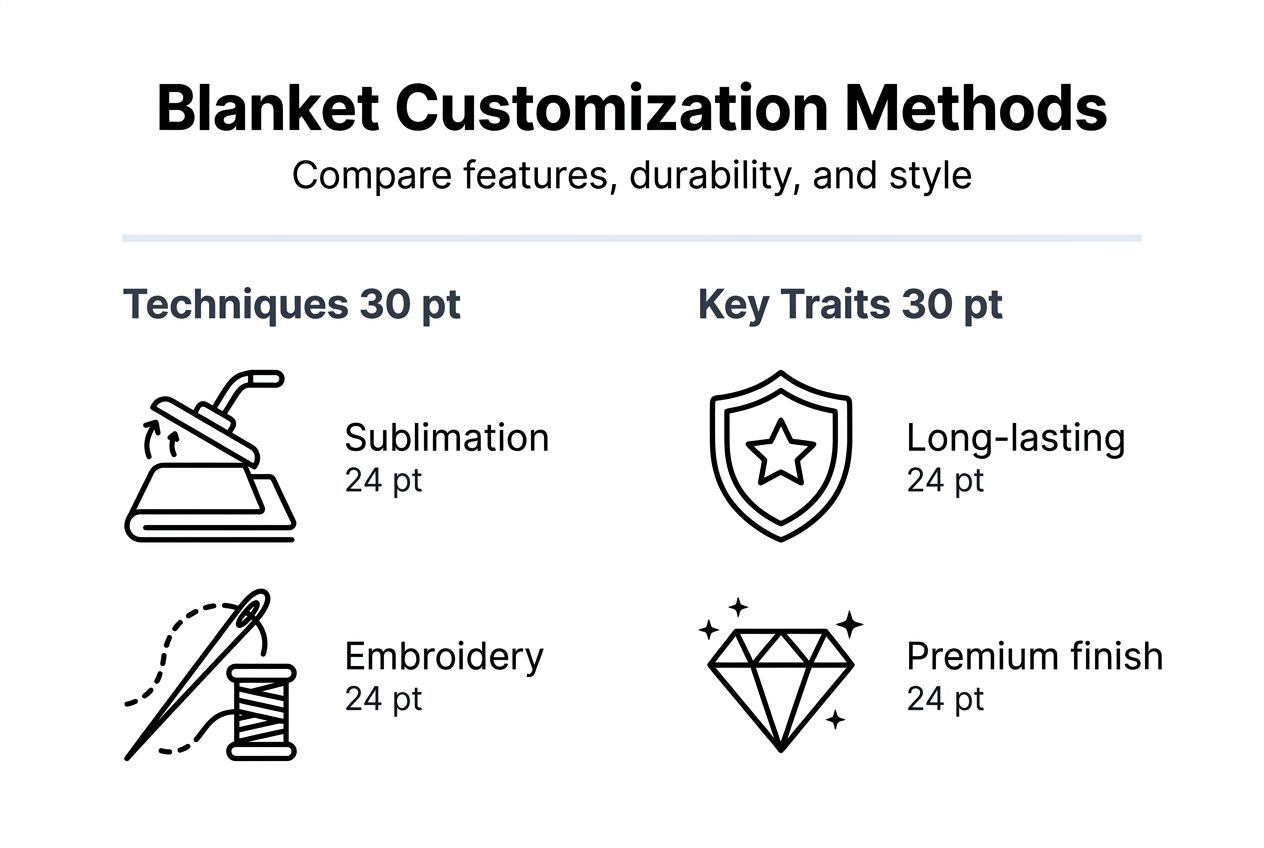
Sublimation printing transfers dye directly into polyester fibers through heat, creating permanent, vibrant designs that become part of the fabric itself. This method excels at reproducing photographs, complex graphics, and designs with gradient colors. Sublimation prints maintain their appearance through dozens of wash cycles without cracking or peeling. The technique works only on polyester or polyester-blend fabrics, limiting material options but delivering unmatched color vibrancy for compatible blankets.
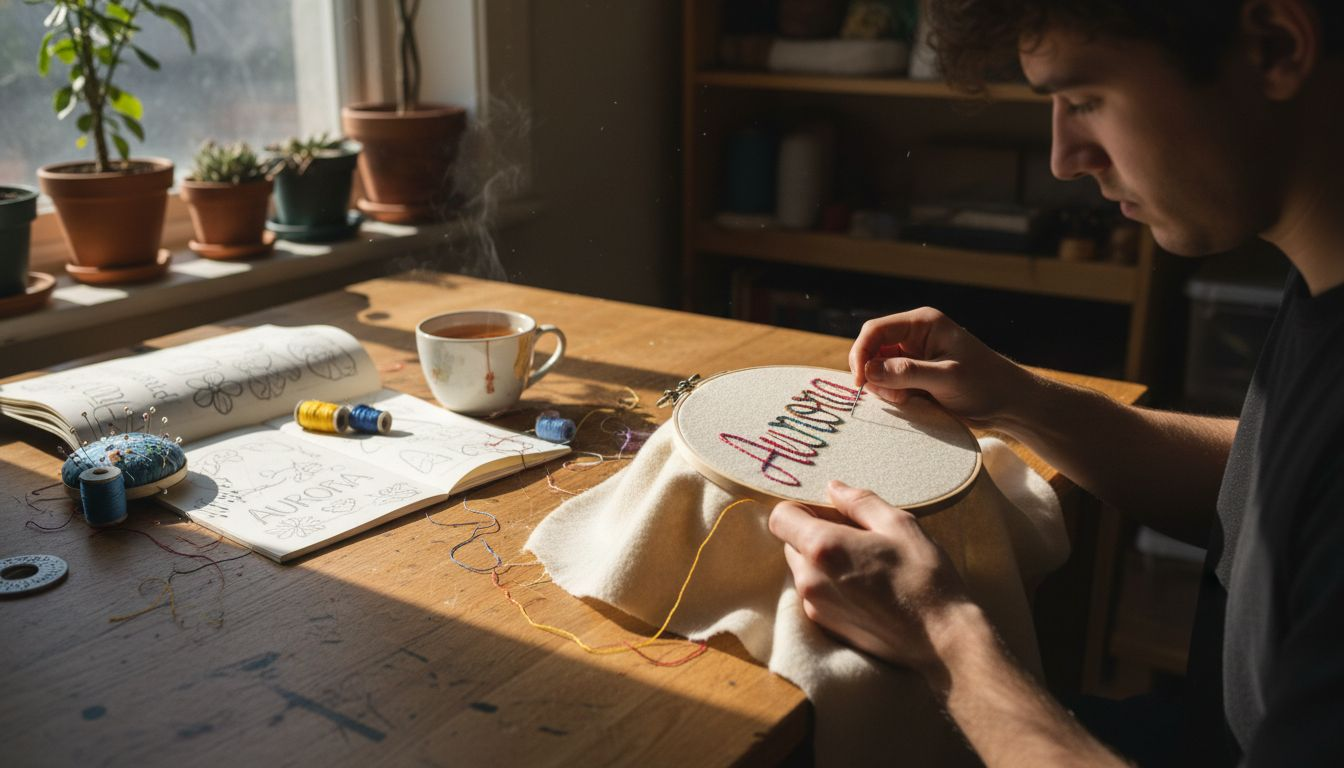
Embroidery increases durability and adds a premium tactile dimension that printing cannot match. Thread stitched directly into fabric creates raised designs with texture and depth. This method works beautifully for text, monograms, logos, and simple graphics. Embroidery withstands wear better than any printing technique, making it ideal for blankets that will see heavy use. However, the embroidery cost premium of 25-40% and longer production times make it less suitable for budget-conscious projects or rush orders.
Applique combines fabric layering with stitching to create dimensional designs with varied textures and colors. This technique works well for bold, simple shapes like letters, hearts, or geometric patterns. Applique adds visual interest and durability but increases blanket thickness and stiffness in decorated areas. Production time exceeds standard printing due to the manual cutting and stitching involved, making applique better suited for smaller accent areas rather than full-blanket designs.
Method comparison:
| Method | Best For | Cost | Durability | Detail Level | Turnaround |
|---|---|---|---|---|---|
| Sublimation | Photos, complex graphics | Low | High | Excellent | Fast |
| Embroidery | Text, logos, monograms | High | Very High | Moderate | Slow |
| Applique | Bold shapes, accents | Medium | High | Low | Medium |
Budget constraints often guide method selection, but consider long-term value rather than just upfront costs. A more expensive embroidered blanket may outlast two printed versions, ultimately providing better value. For blanket personalization methods involving photographic images or intricate artwork, sublimation delivers superior results despite embroidery’s durability advantages.
Pro Tip: Combine customization methods for maximum impact. Use sublimation printing for a full-color photo background and add embroidered text for names or dates. This hybrid approach balances visual complexity with tactile richness while highlighting the most important personalized elements.
Match your customization method to both your design complexity and intended blanket use. A decorative wall hanging prioritizes visual detail, favoring sublimation. A child’s everyday blanket benefits from embroidery’s durability. Understanding these tradeoffs ensures your final product serves its purpose while maintaining quality through regular use.
Step-by-step blanket customization process
Successful blanket customization follows a logical sequence that minimizes errors and maximizes quality. Each step builds on previous decisions, creating a clear path from initial concept to finished product. Rushing through this process or skipping verification steps accounts for most customization disappointments.
-
Select your base blanket material based on intended use, desired texture, and compatibility with your chosen personalization method. Review material samples if possible to confirm the fabric matches your comfort and aesthetic preferences.
-
Prepare your design files ensuring all images meet minimum resolution requirements. Professional results demand 300 dpi for printed areas. Convert photos to high-quality formats and verify text remains legible at the intended size.
-
Choose your customization technique considering design complexity, budget, and durability needs. Match the method to your material choice, confirming compatibility before proceeding.
-
Use online design tools provided by customization services to position elements, select colors, and preview the final layout. These digital mockups reveal spacing issues, color conflicts, and sizing problems before production begins.
-
Review color accuracy by requesting digital proofs or physical swatches. Colors appear differently on screens versus fabric, so verification prevents disappointment with the final product’s appearance.
-
Submit your order after thoroughly checking spelling, dates, and design placement. Most services consider approved proofs final, making changes difficult or impossible after production starts.
-
Plan realistic timelines allowing 2-4 weeks for standard production and delivery. Rush services may expedite orders for additional fees, but quality sometimes suffers when production accelerates.
Design preparation checklist:
- Images at 300 dpi minimum resolution
- Text proofread for spelling and accuracy
- Colors verified against fabric swatches
- Design elements positioned with adequate margins
- File formats match service requirements
- Backup copies saved in multiple locations
Pro Tip: Request a physical proof for expensive or emotionally significant orders. Seeing and touching a sample reveals texture, color accuracy, and overall quality that digital previews cannot fully represent. The small additional cost provides peace of mind that the final product will meet expectations.
Take advantage of design consultations offered by quality customization services. Experienced staff can suggest improvements, identify potential problems, and recommend adjustments that enhance the final result. Their expertise helps translate your vision into a technically sound design that produces professional outcomes. For step-by-step blanket customization guidance specific to avoiding common errors, detailed resources can prevent costly mistakes.
Common mistakes and how to avoid them
Even with careful planning, certain errors repeatedly compromise custom blanket quality. Recognizing these pitfalls before they occur saves time, money, and emotional disappointment. Most mistakes stem from rushing the design process, ignoring technical requirements, or failing to verify details before production.
Frequent customization errors:
-
Low-resolution images create pixelated, blurry prints that look amateurish. Always use files with at least 300 dpi resolution at the intended print size. Enlarging small images reduces quality, so start with high-quality source files.
-
Incorrect color calibration causes printed colors to differ dramatically from screen previews. Request color swatches or physical proofs to verify appearance on actual fabric under various lighting conditions.
-
Material and method mismatches lead to poor adhesion, uneven coloring, or premature wear. Confirm your chosen fabric works with your selected customization technique before ordering.
-
Rushing the design phase increases spelling errors, misaligned elements, and poor composition. Invest time in careful layout and proofreading, enlisting others to catch mistakes you might overlook.
-
Ignoring preview tools means missing obvious problems that digital mockups would reveal. Use every verification step services provide, viewing designs at actual size on various devices.
-
Inadequate lead time forces rush orders that may compromise quality or incur premium fees. Start the customization process well ahead of gift-giving occasions or decorating deadlines.
Understanding blanket customization mistakes helps you implement prevention strategies. Simple verification steps like spell-checking text, measuring design elements, and reviewing proofs carefully eliminate most common errors. The few extra minutes spent on quality control prevent weeks of regret over a flawed final product.
Communicate clearly with customization services about your expectations, timeline, and any concerns. Ask questions about technical requirements, review policies, and production schedules. Reputable providers welcome inquiries and help customers achieve successful outcomes. Ambiguity or assumptions about specifications often lead to disappointing results that could have been prevented through simple clarification.
Expected results, care, and longevity
Understanding realistic outcomes helps set appropriate expectations while proper maintenance extends your blanket’s functional and emotional lifespan. Quality customization creates durable products that maintain their appearance through years of use, but only with care that matches the specific materials and personalization methods used.
Standard production and delivery timelines span 2-4 weeks from order approval to doorstep arrival. Complex designs, premium methods like embroidery, or high-demand seasons may extend this window. Rush services compress timelines but often add 20-50% to costs while potentially reducing quality control rigor. Planning ahead eliminates the need for expedited processing.
Maintenance practices that extend blanket life:
- Wash in cold or warm water using gentle cycles to protect both fabric and customized areas
- Use mild detergents without bleach or harsh chemicals that degrade dyes and fibers
- Air dry or tumble on low heat settings, as high temperatures can fade colors and damage prints
- Store folded in cool, dry locations away from direct sunlight that causes color fading
- Spot clean minor stains immediately to prevent setting and reduce full wash frequency
Proper care extends blanket life and print vibrancy through 30+ washes without significant fading or wear. This durability transforms personalized blankets from disposable decorations into lasting keepsakes. The maintaining custom blankets resources emphasize that gentle handling preserves both physical integrity and emotional significance.
Personalization increases emotional attachment significantly compared to generic items. Names, dates, and meaningful images create connections that standard products cannot match. This emotional dimension means customized blankets often become treasured possessions that recipients use regularly and store carefully, extending practical lifespan through attentive care.
“A personalized blanket becomes more valuable over time as it accumulates memories of moments shared wrapped in its warmth. The initial customization creates meaning, but years of use build irreplaceable emotional significance.”
Quality materials and proper customization methods ensure prints and embroidery maintain clarity and color intensity through dozens of wash cycles. Sublimation dyes bonded to polyester fibers resist fading better than surface prints. Embroidered designs withstand wear that would destroy printed alternatives. Understanding these durability benchmarks helps you select methods that match your longevity expectations.
The combination of emotional resonance and physical durability explains why customized blankets rank among the most appreciated personalized gifts. Recipients value both the thoughtfulness of personalization and the practical function of a quality blanket they can use daily without worry.
Conclusion and next steps
Customizing blankets successfully requires understanding materials, methods, design preparation, and care practices that transform ordinary textiles into meaningful keepsakes. The right foundation fabric ensures your design adheres properly and feels comfortable through years of use. Selecting an appropriate personalization technique balances visual impact, durability, and budget constraints to meet your specific needs.
Following a structured process from material selection through proof review minimizes common errors that compromise quality. Preparing high-resolution designs, verifying colors against fabric swatches, and thoroughly reviewing layouts before production prevent disappointing outcomes. These extra verification steps take minimal time but deliver substantial improvements in final product satisfaction.
Proper care extends your customized blanket’s functional lifespan and preserves the emotional significance embedded in personalized elements. Gentle washing, appropriate storage, and prompt stain treatment maintain appearance through decades of regular use. This longevity transforms initial investments into heirloom pieces that carry stories across generations.
You now possess the knowledge to create personalized blankets that combine craftsmanship with emotional storytelling. Apply these principles to your next customization project with confidence that careful preparation and informed decisions will yield professional results that exceed expectations.
Explore custom blanket options at FunLifeNow
Ready to create your own meaningful personalized blanket? FunLifeNow offers a wide selection of high-quality customizable blankets designed for lasting comfort and emotional connection. Our intuitive online design tools let you preview your project before production, ensuring the final product matches your vision.
Expert customer support guides you through material selection, design preparation, and customization method choices to achieve professional results. We use premium materials and proven personalization techniques that maintain appearance through years of regular use. With reliable delivery timelines and quality guarantees backed by thousands of satisfied customers, FunLifeNow transforms your personalization ideas into cherished keepsakes that tell your unique story.
Frequently asked questions
What is the best fabric for customizing blankets?
Fleece offers the ideal combination of softness, durability, and print compatibility for most customization projects. Its polyester composition accepts sublimation printing beautifully while remaining affordable and easy to care for. Microfiber provides superior resistance to wear and pilling for high-use applications. Wool delivers premium warmth and luxury feel but costs more and requires gentler care than synthetic alternatives.
How do I ensure my design looks sharp on the blanket?
Always use images with at least 300 dpi resolution at the intended print size. Preview your design using online tools provided by customization services to identify pixelation or layout issues before production begins. Request digital or physical proofs to verify color accuracy and overall appearance. Check your design under different lighting conditions since colors appear differently on fabric than on screens.
What are the cost differences between customization methods?
Embroidery typically adds 25-40% to customization costs compared to printing methods but delivers superior durability and premium tactile appeal. Sublimation printing remains the most affordable option while producing vibrant, long-lasting colors ideal for photographic designs. Applique methods fall between these extremes, offering dimensional visual interest at moderate cost increases. Production time also varies, with embroidery requiring longer turnaround than printing.
How long does it typically take to receive a customized blanket?
Standard production and delivery require 2-4 weeks from order approval to arrival. Complex designs, premium customization methods, or seasonal demand spikes may extend timelines. Rush services can expedite orders for additional fees, typically adding 20-50% to base costs. Plan ahead for gift occasions or decorating deadlines to avoid rush charges and ensure adequate time for any necessary revisions.
How should I care for my personalized blanket to maximize its lifespan?
Wash your customized blanket in cold or warm water using gentle cycles and mild detergent without bleach. Air dry or use low heat tumble settings to protect printed or embroidered areas from heat damage. Avoid fabric softeners that can degrade dyes and fibers over time. Store folded in cool, dry locations away from direct sunlight. Spot clean minor stains immediately to reduce the need for full washes. These practices maintain appearance and structural integrity through 30+ wash cycles.